The Journey from Yarn to Industry

As one of the oldest textile techniques in human history, knitwear has evolved from a simple handcraft into a high-technology industry. Beginning with the first knitted socks found in Egypt, this journey carries a powerful production memory that extends from guild craftsmanship to the Industrial Revolution and computerized manufacturing.

The historical development of knitting culture

On this page, we present the development of knitwear from its earliest loops to modern digital production technologies through a clear chronological narrative. The imagery is arranged to support each turning point in that evolution.

01

The Emergence of the First Loops (Ancient Era)
The origins of knitwear, or knitted textile structures, are far older than many assume. Thousands of years ago, people began using yarn not only for weaving but also for forming loops that created flexible surfaces.

The earliest examples are not exactly knitting in the modern sense. One of the first techniques was nalbinding, a single-needle method that resembles knitting but has a fundamentally different structure.

  • The earliest knit-like textiles appeared between 1000 and 300 BCE.
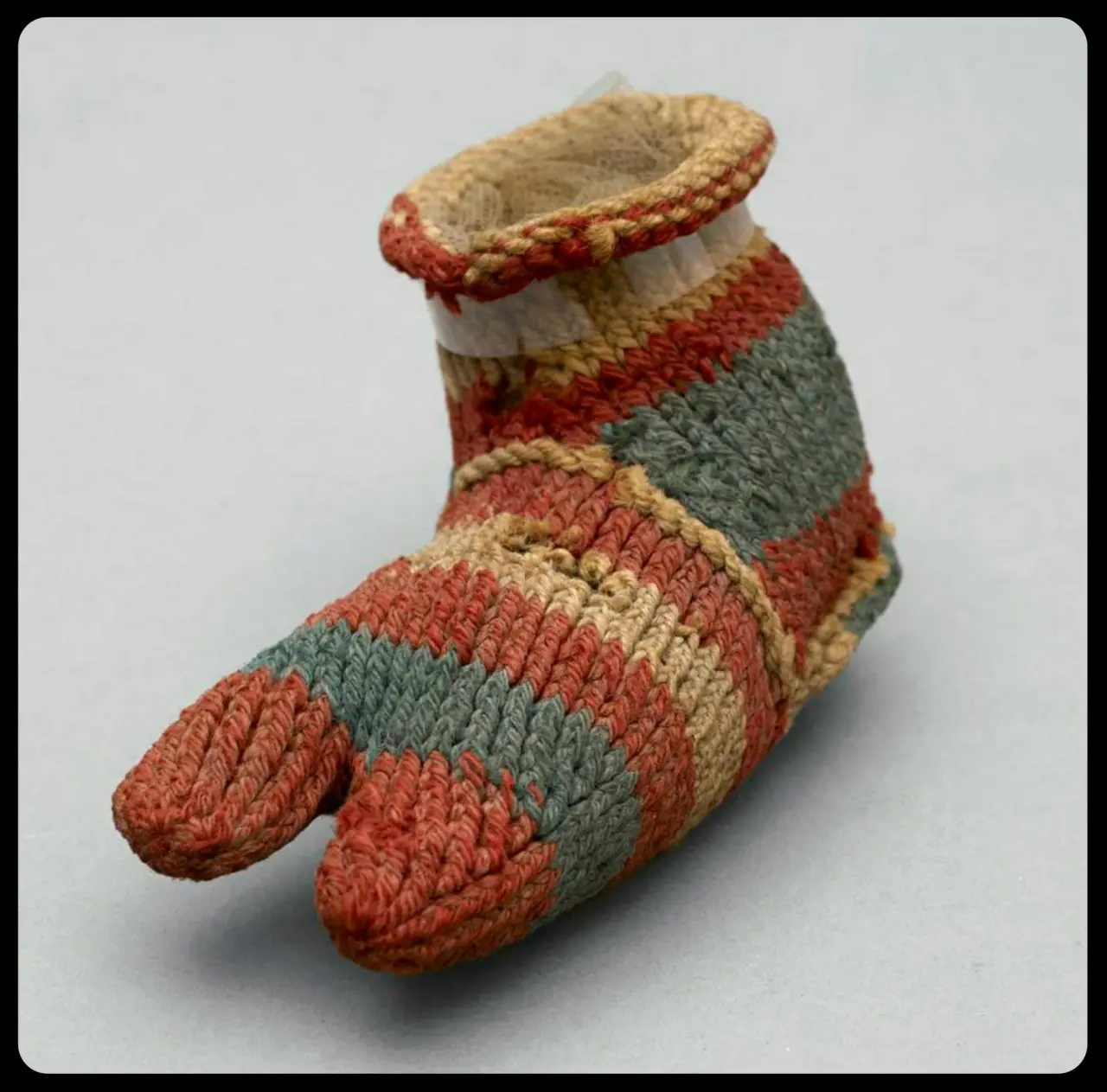
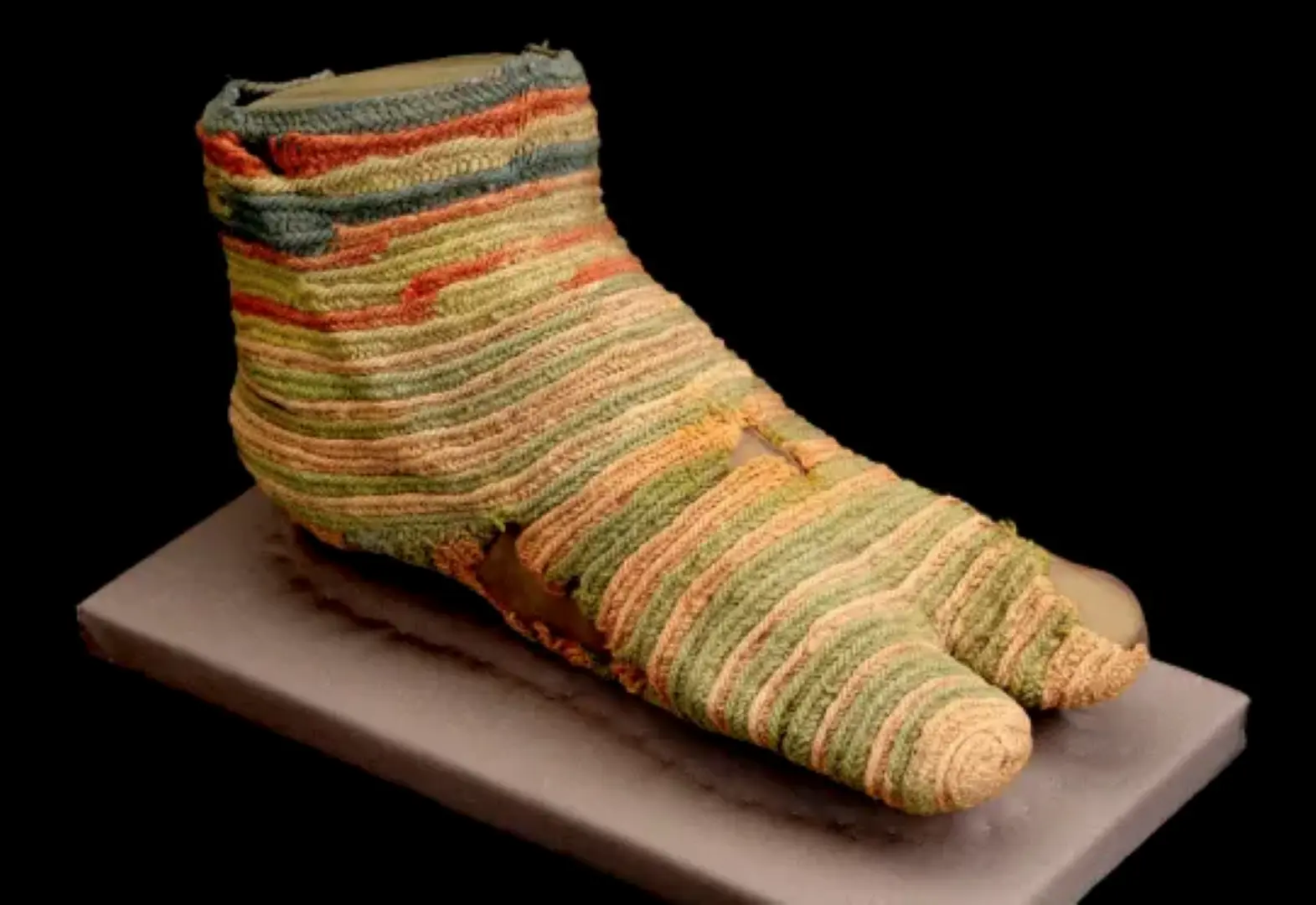
  • The Coptic socks discovered in Egypt are among the most important finds in knitting history.
  • These socks were designed with split toes so they could be worn with sandals.

These findings show that knitted textiles were initially used for practical and functional purposes.
02

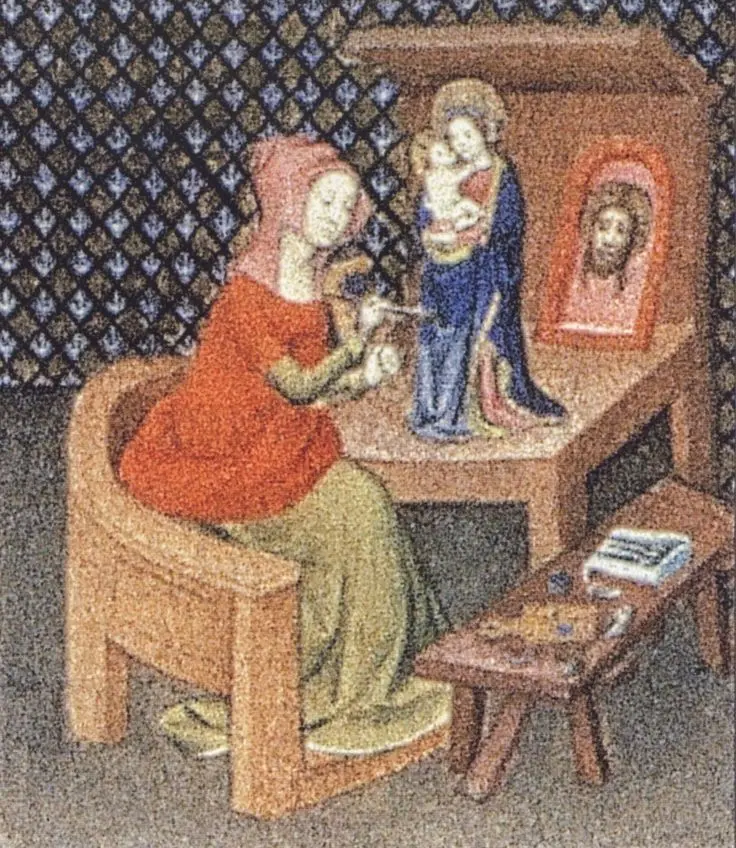
The Spread of Knitting in the Middle Ages (5th to 15th Century)

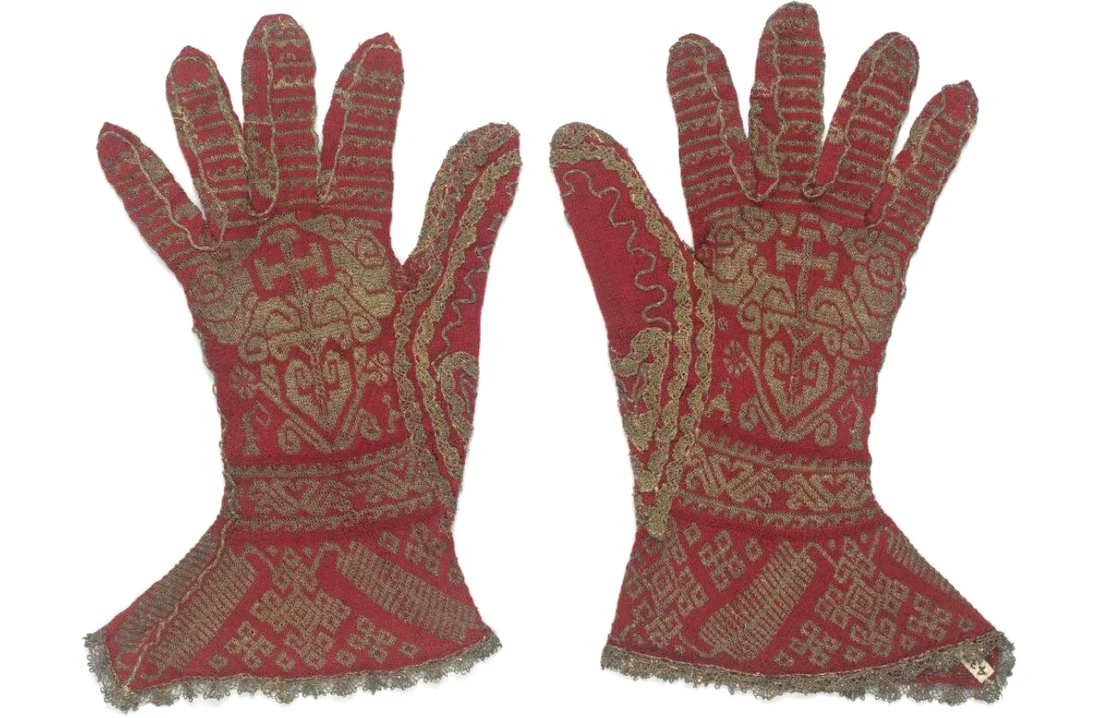
Knitting in its true technical sense began to spread widely across Europe during the Middle Ages. In the 12th and 13th centuries, it expanded rapidly in countries such as Spain, Italy, France, and England.

  • Stockings
  • Gloves
  • Hats
  • Clerical garments

These were the most commonly produced items of the period. Muslim artisans in Spain are believed to have played a major role in advancing knitting techniques. By refining loop construction and pattern variety, they transformed knitting from a basic necessity into an aesthetic craft.

The first knitting guilds established across Europe helped professionalize the craft by defining production standards. Items made for churches and royal circles in particular contributed to knitting becoming a prestigious field of production. The use of wool and other natural fibers made it possible to develop products suited to regional climates. In this period, knitting spread quickly as both a part of everyday life and a commercially valuable production activity.

03

Knitting Guilds and Professionalization (14th to 16th Century)

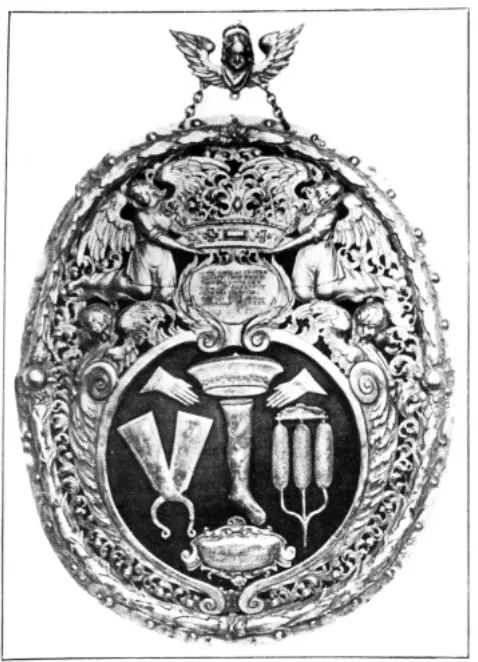
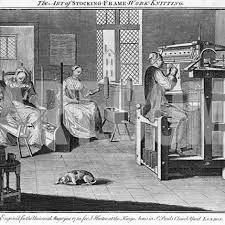
By the late Middle Ages, knitting production had become highly professionalized. Knitting guilds were established in European cities such as Paris, Florence, and London.

Guild rules were exceptionally strict. To become a master knitter, a person had to spend years as an apprentice, pass difficult examinations, and produce flawless work.

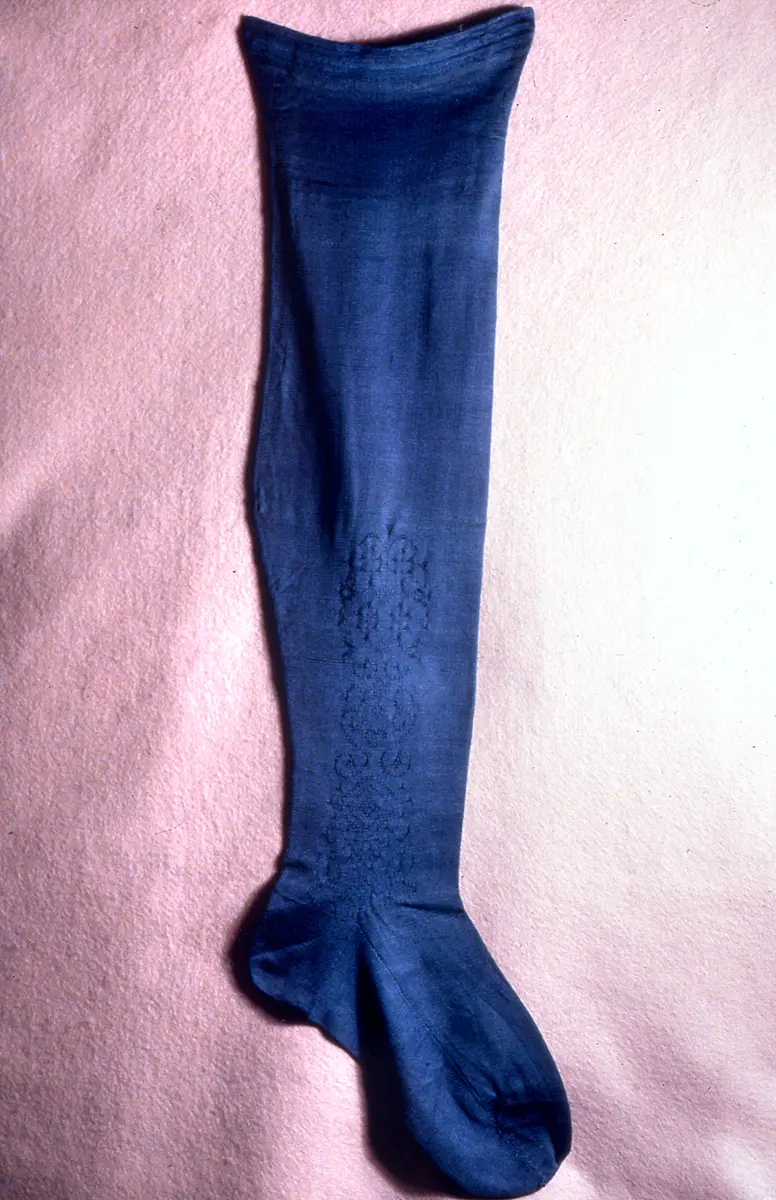
  • Fine silk stocking
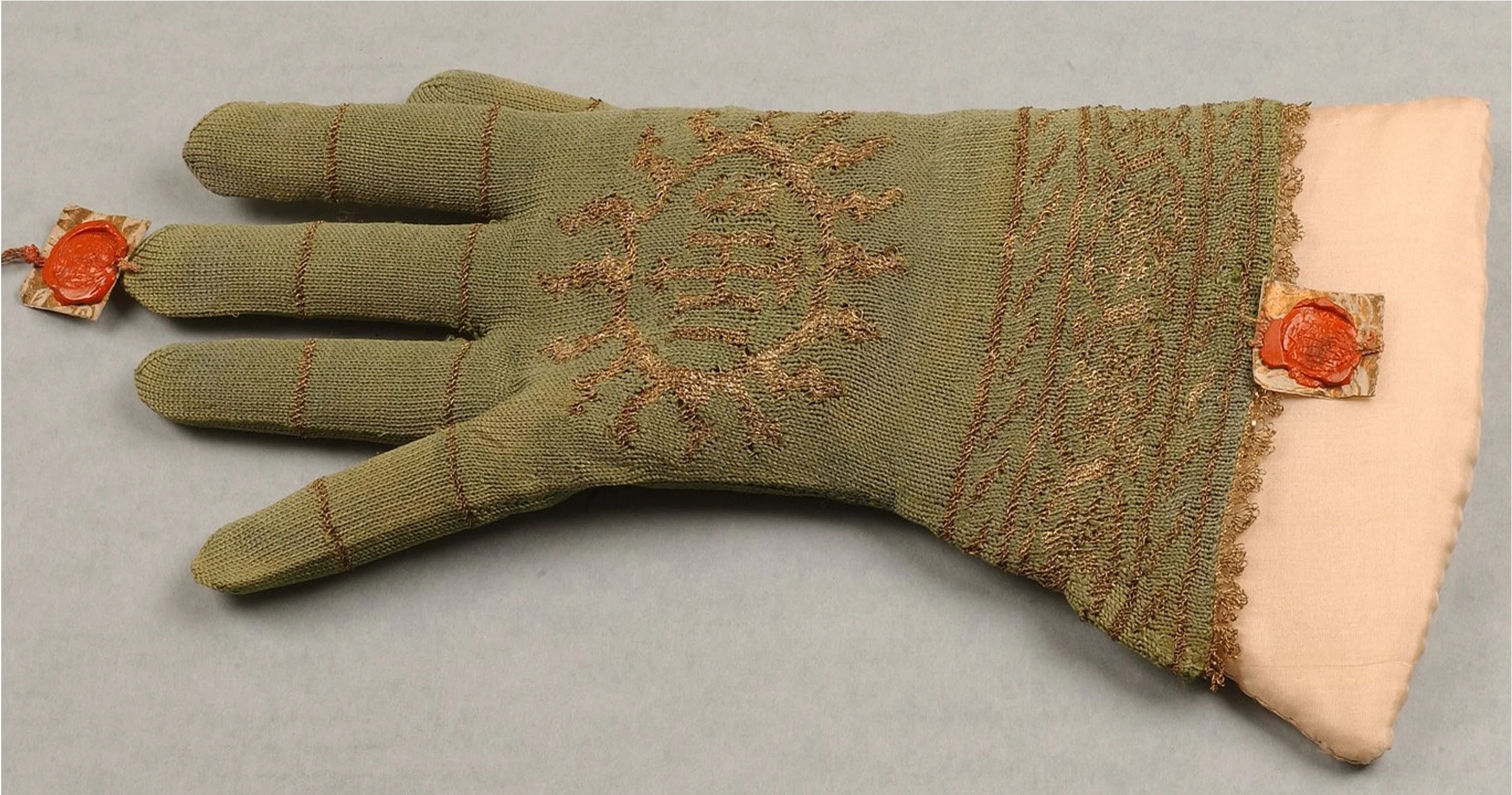
  • Intricately patterned glove
  • Knitted cap

A candidate for mastery had to knit items like these as part of the examination. By this stage, knitting was being recognized as a form of high-quality craft production.

04

The Invention of the Knitting Machine (1589)

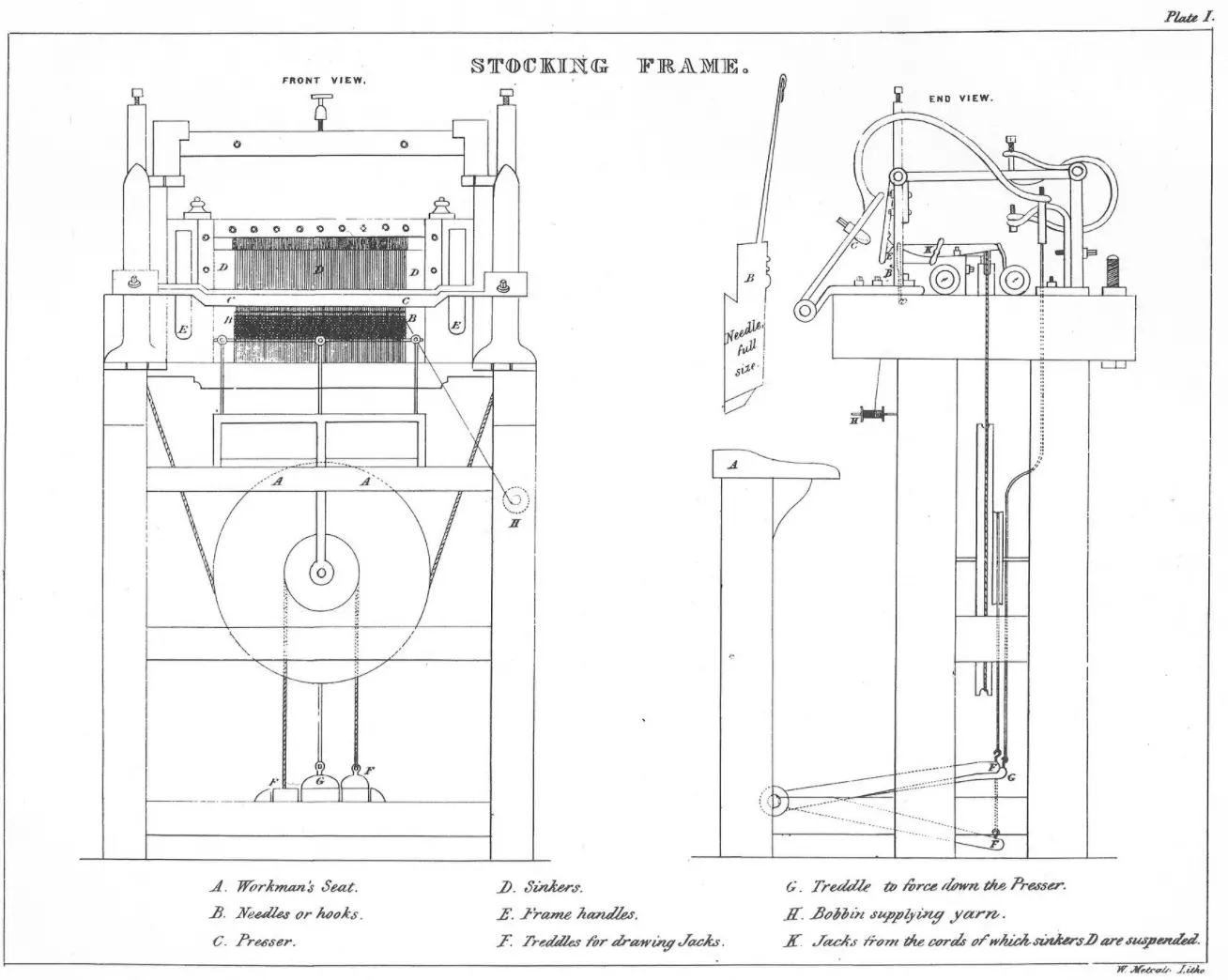
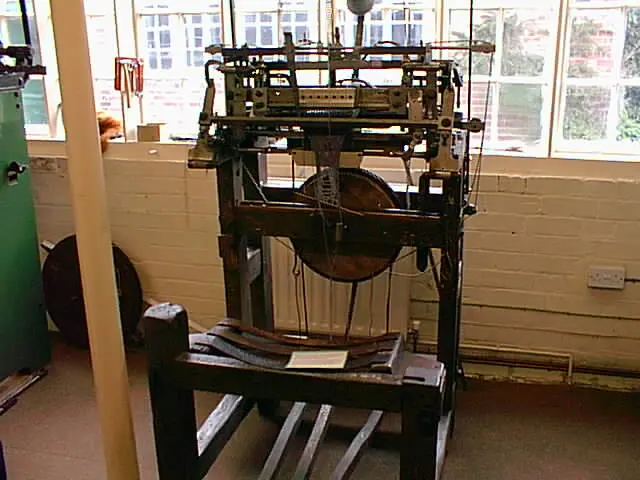
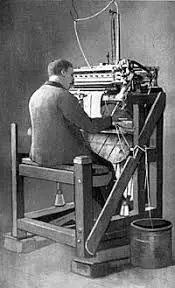
One of the greatest revolutions in knitwear history was the knitting machine invented in 1589 by the English inventor William Lee. The machine he developed became known as the Stocking Frame.

  • It imitates hand knitting
  • It forms loops mechanically
  • Stockings üretimini hızlandırır

This invention multiplied production speed and marked one of the first major steps toward serial manufacturing.

Queen Elizabeth I of England refused to support the machine because she feared it would create unemployment. As a result, William Lee went to France and continued developing production there.

05

The Industrial Revolution and the Knitwear Industry (18th to 19th Century)

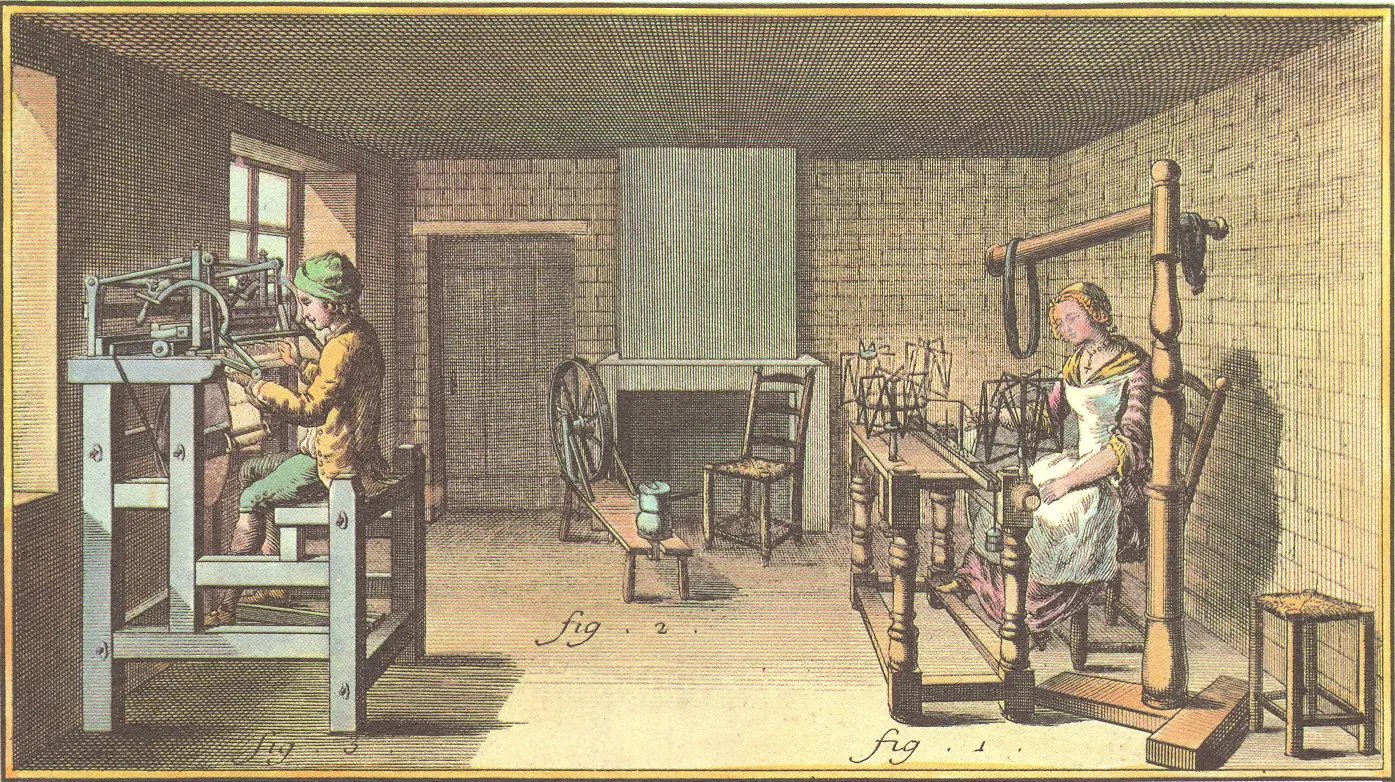
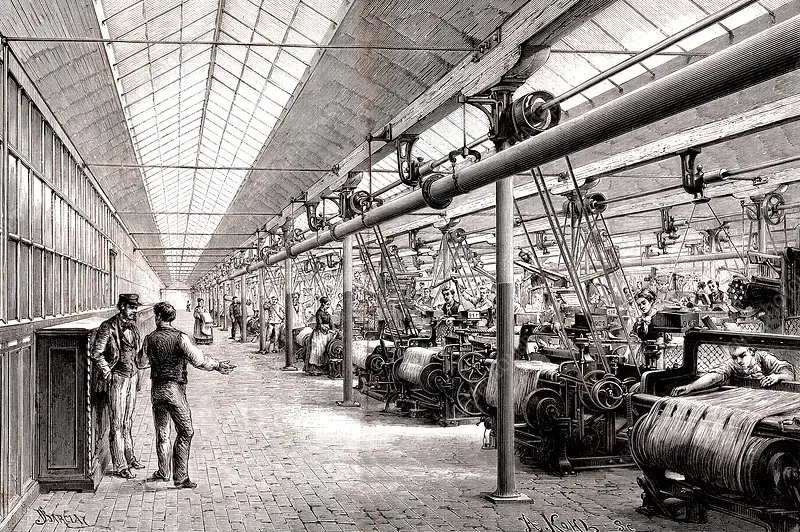
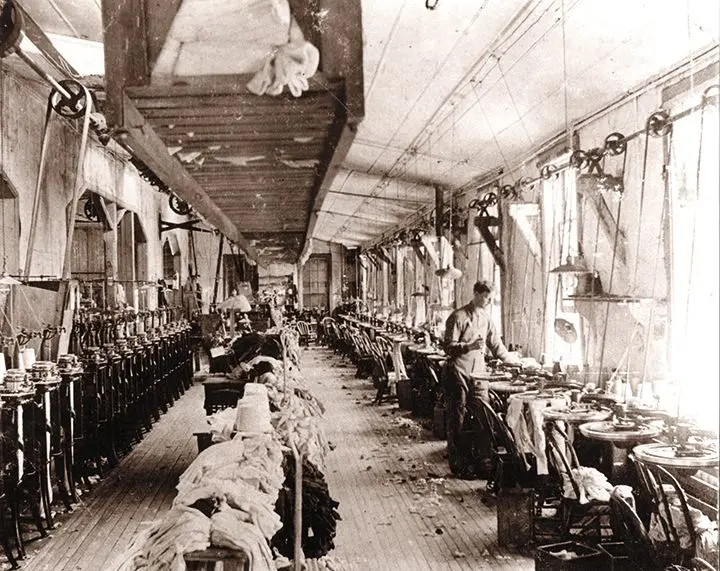
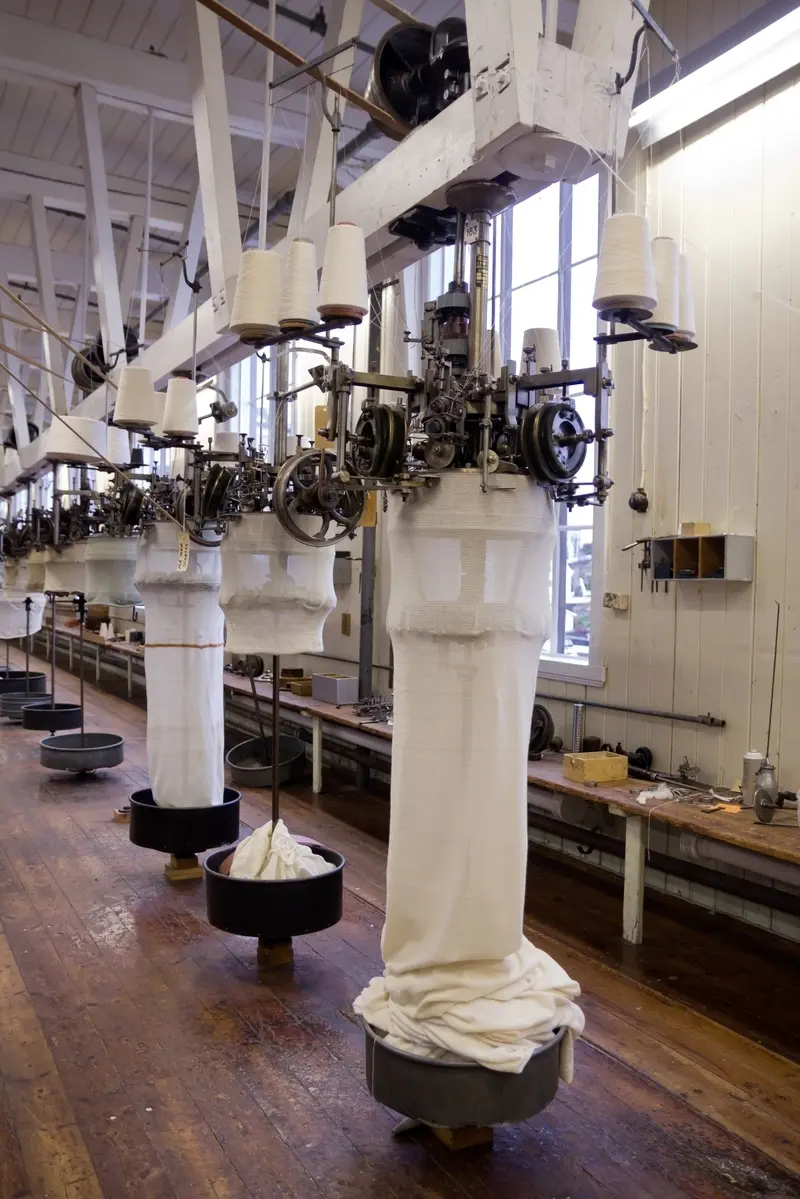
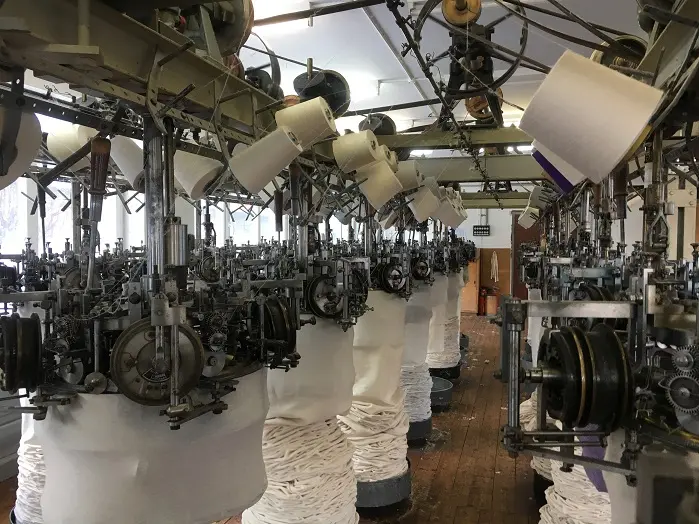
In the late 18th and early 19th centuries, the Industrial Revolution transformed knitwear production completely. Steam-powered machines, large textile mills, and mechanical knitting systems were developed.

  • Plain knit
  • Rib knit
  • Interlock structures

These structures could be produced with far greater control thanks to new machinery.

During this period, Nottingham in England became one of the world’s most important centers of knitting production.

06

The Rise of Modern Knitwear in the 20th Century

The 20th century marked a major period of transformation for knitwear. New yarn types, synthetic fibers, and more advanced machines emerged during this era.

  • Nylon (1935)
  • Polyester (1940s)
  • Acrylic (1950s)

These fibers made it possible to produce knit fabrics that were more durable, lighter, and more elastic.

From the 1920s onward, knitwear was no longer limited to undergarments; it became an important part of fashion. Sweaters, cardigans, and knitted dresses became essential elements of everyday dress.

07

Computerized Knitting Technology (Post-1980)

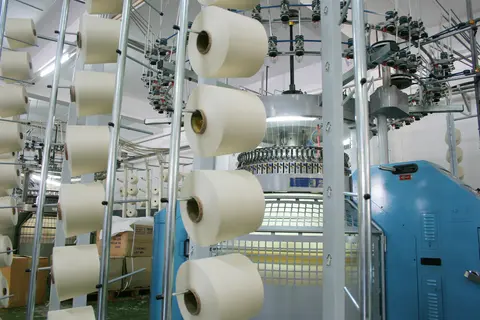
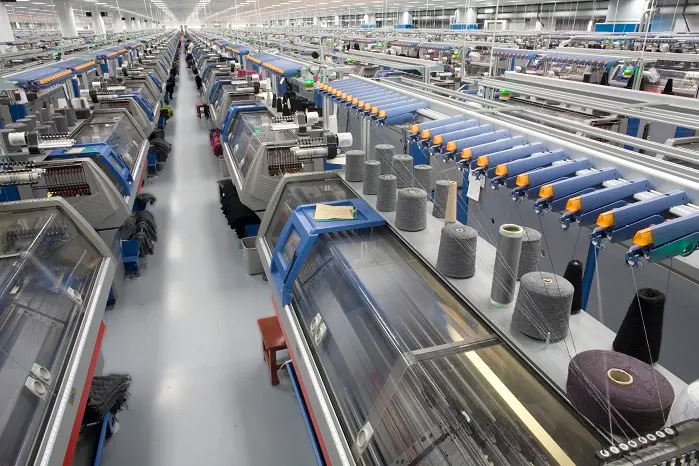
After the 1980s, knitwear production entered a digital revolution. Computer-controlled machines made complex patterns, automated production, and high precision possible.

  • CAD design systems
  • Electronic knitting machines
  • Automatic yarn control systems

Japanese companies such as Shima Seiki and Stoll became pioneering names in this field.

08

Knitwear Today and Future Technologies

Today, knitwear production is used not only in fashion but across many different fields.

  • Sportswear
  • Medical textiles
  • Automotive textiles
  • Technical textiles

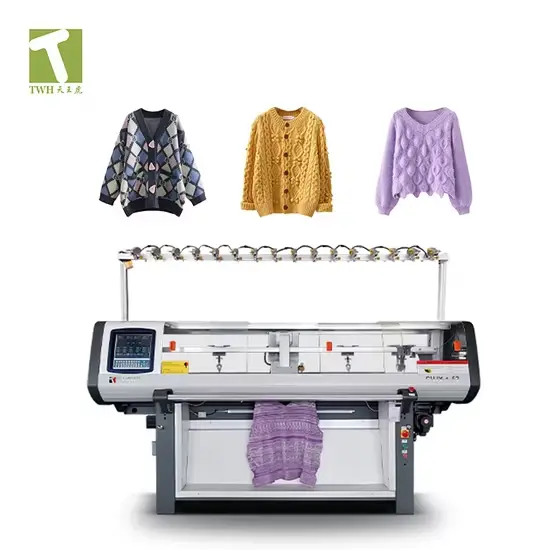
Thanks in particular to 3D knitting technology, or WholeGarment, seamless production, lower material waste, and more sustainable manufacturing have become possible.

With this technology, a sweater can come directly off the machine as a single piece, with zero seams, ready to wear.

A Production Culture Extending from Tradition to the Future

Knitwear has evolved from a simple craft into a textile industry shaped by advanced technology.

From the handcraft of ancient eras to modern production facilities, this evolution represents the meeting of creativity, engineering, and aesthetics at every point where yarn becomes structure.

Today, knitwear continues to evolve as one of the most innovative production fields in both fashion and technical textiles.